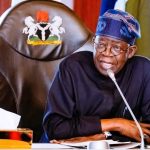
President Bola Ahmed Tinubu has approved a sweeping reduction in import duties across a wide range of goods, in a bold move aimed at easing inflation, supporting local industries, and making essential products more affordable for Nigerians, Peak Newspaper reports
The policy, which took effect from April 2026, targets key sectors of the economy from transportation to food and manufacturing. Under the new framework, import duties on electric vehicles, mass transit buses, and critical manufacturing machinery have been reduced to zero, a step designed to lower production costs and improve access to affordable transportation.
Beyond that, the government introduced significant tariff cuts on everyday items. Passenger vehicles now attract 40% duty instead of 70%, while bulk rice has been reduced to 47.5% and broken rice to 30%. Duties on crude palm oil and raw sugar were also lowered, alongside reductions on construction materials like steel and ceramic tiles moves expected to ease pressure on both consumers and businesses.
Officials say the reform is part of a broader economic response to rising global pressures, including volatility in oil prices and supply disruptions linked to international conflicts. The administration believes that reducing import costs will translate into lower prices in the market, stimulate industrial growth, and improve overall purchasing power.
To ensure a smooth transition, the government has introduced a 90-day adjustment window, allowing importers and businesses to adapt to the new tariff regime without sudden shocks.