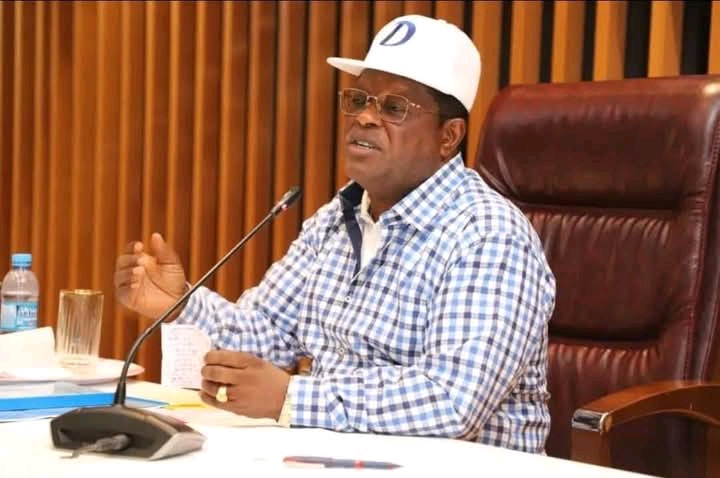
In a bold revelation that has stirred public discourse, Nigeria’s Minister of Works, David Umahi, confirmed that the Lagos-Calabar Coastal Highway will cost an estimated ₦7.5 billion per kilometer. This figure, disclosed during a recent inspection tour, has ignited widespread reactions across the country, with many questioning the rationale behind such a hefty price tag.
According to Umahi, the cost reflects the high-quality infrastructure and unique features embedded in the project. He emphasized that the budget covers not just the road itself, but also critical components such as solar lighting, retaining walls, flyovers, and shoreline protection. “My integrity is at stake,” Umahi declared, defending the transparency of the project and pushing back against critics who have raised concerns about potential overspending and lack of accountability.
The Lagos-Calabar Coastal Highway is one of Nigeria’s most ambitious infrastructure undertakings, designed to span over 700 kilometers and connect key economic hubs along the southern coastline. The project aims to boost tourism, facilitate trade, and improve regional connectivity. However, the ₦7.5 billion per kilometer estimate has drawn comparisons to other major road projects in the country, with some analysts noting that it exceeds the cost of similar developments unless justified by exceptional engineering demands.
Public scrutiny intensified following allegations of cronyism and lack of transparency, with critics pointing to the involvement of politically connected individuals and questioning the procurement process. Despite these concerns, Umahi insists that every aspect of the project has been carefully evaluated and that the government remains committed to delivering a world-class highway that meets international standards.